

Non Emergency Medical Transport Insurance in Colorado
We provide Non Emergency Medical Transport Insurance solutions to businesses in Colorado and beyond.
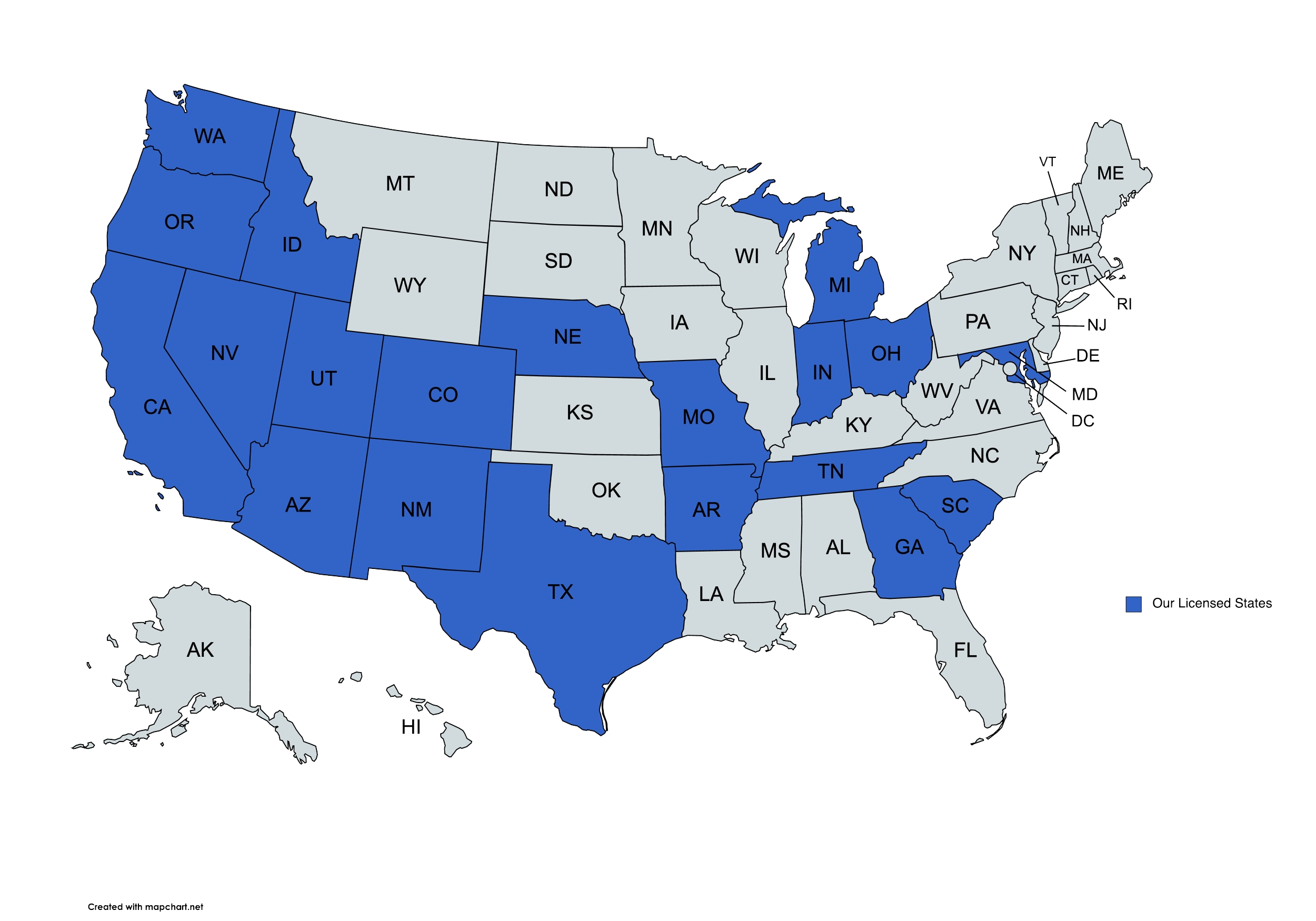
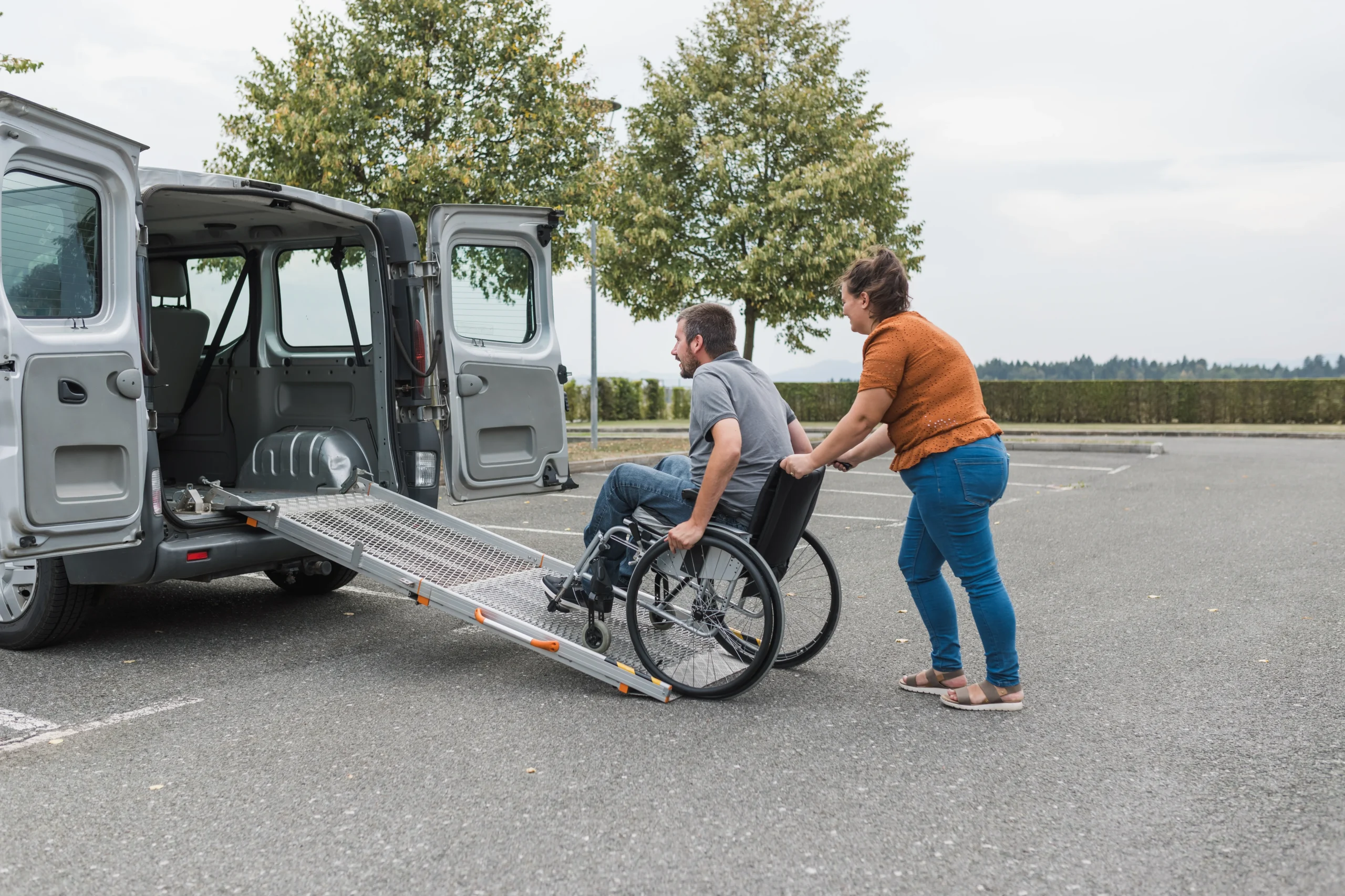
Non Emergency Medical Transport Insurance at The DeLuca Agency and Denver Insurance Brokerage Inc
Non-emergency medical transportation providers help people get to medical appointments, rehabilitation centers, and other essential destinations. Whether you transport seniors, individuals with disabilities, or patients who need assistance traveling to routine care, your business depends on reliable vehicles, qualified drivers, and consistent service. Insurance can help you manage the risks that come with these responsibilities.
The DeLuca Agency can help you explore Non-Emergency Medical Transport Insurance options suited to your vehicles, services, and business operations. From vehicle accidents to passenger injury claims, the right coverage may help address unexpected expenses and support your business as it serves the community.
What Is Non-Emergency Medical Transport Insurance?
Non Emergency Medical Transport Insurance is designed for businesses that transport individuals who do not require emergency ambulance services. These providers may take passengers to doctors’ offices, hospitals, rehabilitation facilities, and recurring treatment appointments.
Unlike personal car insurance, commercial transportation coverage can account for vehicles used for business and the risks associated with carrying passengers for compensation. Depending on your operations and policy terms, coverage may include commercial auto liability, physical damage protection, and additional business insurance.
Your needs may differ depending on whether you operate wheelchair-accessible vans, passenger vans, or other specialized vehicles. Fleet size, driver qualifications, passenger assistance, and service areas can also influence coverage requirements. The DeLuca Agency can help you evaluate these considerations and explore options that align with your transportation business.
Get a Quote
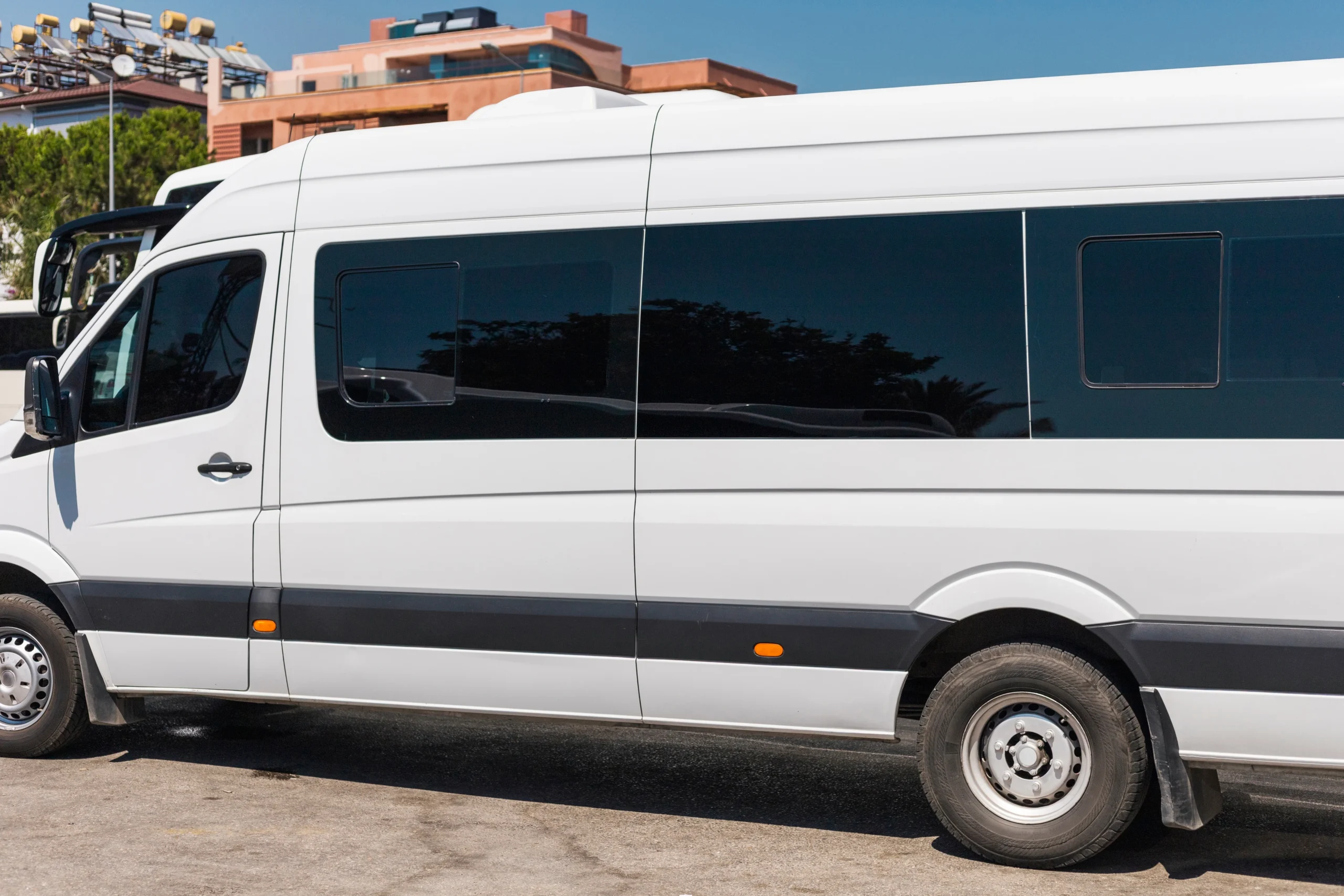
Why Do Medical Transportation Businesses Need Specialized Coverage in Colorado?
Transporting passengers involves more than driving between destinations. Drivers may help passengers enter and exit vehicles, secure mobility devices, and navigate busy healthcare facilities. These activities create potential exposures that standard personal auto insurance generally is not designed to address.
Colorado weather can add to these challenges. Snow, ice, and reduced visibility may make routes more difficult, particularly when appointments require travel during winter conditions. Even experienced drivers can encounter unexpected hazards.
Commercial auto liability coverage may help address covered claims involving vehicle accidents, bodily injuries, and property damage. Depending on your needs, additional coverage may provide protection for vehicles, employees, and other business exposures.
Requirements can vary according to vehicle classifications, services, contracts, and applicable regulations. Reviewing these obligations alongside your insurance options can help you make informed decisions about your business’s protection.
What Coverage Options Are Available for Medical Transportation Businesses?
A suitable insurance program may combine several policies to address different exposures. Available options depend on your operations, insurer requirements, and policy terms.
Coverage to consider may include:
- Commercial Auto Liability: May help cover eligible bodily injury and property damage claims arising from covered vehicle accidents.
- Physical Damage Coverage: Collision and comprehensive insurance may cover certain damage to insured vehicles, including losses involving collisions, theft, or weather events.
- General Liability Insurance: May address certain third-party injury or property damage claims unrelated to covered auto incidents.
- Workers’ Compensation Insurance: May cover eligible employee medical expenses and lost wages following work-related injuries, subject to applicable requirements.
- Umbrella Liability Insurance: May provide additional limits above certain underlying liability policies for covered claims.
Not every provider needs the same combination of coverage. A business operating several accessible vans with multiple drivers may have different priorities from a smaller operation with one vehicle. Reviewing limits, deductibles, and exclusions can help you determine whether a policy fits your circumstances.
How Can Insurance Address Passenger Risks?
Passenger safety is a central responsibility for non-emergency medical transportation providers. Despite careful driving and established safety procedures, accidents and other incidents can occur. A passenger could be injured in a vehicle collision, potentially resulting in medical expenses or a liability claim.
Commercial auto liability coverage may help address covered passenger injury claims arising from an insured vehicle accident. However, coverage depends on the policy language, exclusions, and circumstances of the incident. Businesses should confirm that their insurance specifically accommodates transportation for compensation and the services they perform.
Providers that assist passengers with wheelchairs, walkers, or other mobility devices should also consider risks associated with loading, unloading, and securing equipment. General liability coverage may address certain non-auto exposures, but it does not automatically cover every passenger-related incident.
Driver training, regular vehicle maintenance, and consistent passenger-handling procedures can complement insurance. Discussing these practices with your agent can help identify potential coverage gaps and clarify how your policies may respond to different situations.
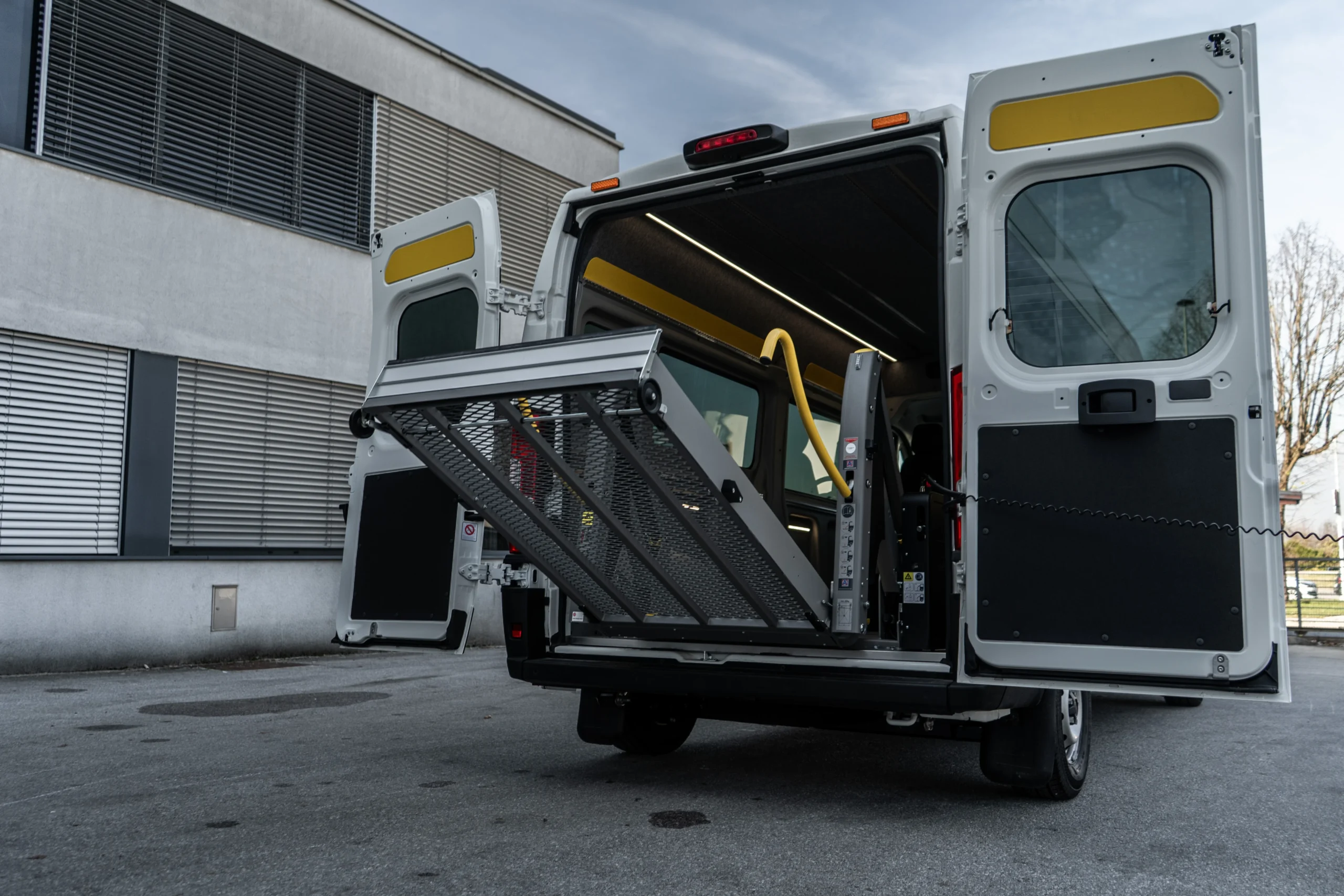
What Factors Affect the Cost of Non Emergency Medical Transport Insurance in Colorado?
Insurance premiums vary according to the risks associated with each transportation business. Insurers may consider several factors when determining pricing, eligibility, and policy terms.
Important considerations may include:
- Fleet Size and Vehicle Type: The number, value, and configuration of your vehicles can affect costs.
- Driving Records: Driver experience, motor vehicle records, and previous claims may influence underwriting.
- Service Area: Traffic conditions, operating territories, and route distances may affect risk assessments.
- Passenger Assistance: The nature of your services and the assistance provided to passengers may influence coverage requirements.
- Coverage Limits and Deductibles: Higher limits or lower deductibles may increase premiums.
- Business History: Operating experience, claims history, and safety practices may be considered.
Choosing a policy based on price alone can leave important exposures unaddressed. Comparing coverage limits, exclusions, and provisions for commercial passenger transportation can help you evaluate the overall value of available options.
How Can You Choose the Right Insurance for Your Business?
Start by reviewing your daily operations. Consider how many vehicles you operate, the passengers you serve, whether drivers assist with mobility devices, and whether your routes cross state lines. These details can help determine which policies and endorsements may be appropriate.
Contracts also deserve attention. Healthcare facilities, senior living communities, and transportation brokers may require specific liability limits or proof of insurance before working with your business. Reviewing these requirements early can help prevent delays when establishing service agreements.
Your insurance needs may also change as your business grows. Adding vehicles, hiring drivers, or introducing new transportation services can affect your exposures. Periodically reviewing your policies and keeping vehicle and driver information current can help ensure your coverage reflects your operations.
The DeLuca Agency can help you evaluate these factors and explore insurance options suited to your business. Understanding your responsibilities and policy limitations can make it easier to make informed coverage decisions.
Where Can You Find Non Emergency Medical Transport Insurance in Colorado?
Operating a medical transportation business requires dependable service, careful planning, and preparation for unexpected events. Vehicle accidents, passenger injuries, employee exposures, and contractual obligations can all affect your operations.
A tailored insurance program may combine commercial auto liability with physical damage coverage, general liability, workers’ compensation, or umbrella insurance, depending on your needs and eligibility. Reviewing policy terms and exclusions is essential to understanding the protection available.
The DeLuca Agency can help you explore Non Emergency Medical Transport Insurance options that fit your vehicles, services, and business goals. Reach out to discuss your operations and review coverage options designed to support your transportation business.
Get in touch with our team!

For questions or concerns, please contact our independent insurance agents.
CO Office
6021 S Syracuse Way Ste 207 Greenwood Village, CO 80111
Phone: 720.484.3732
MD Office
500 Redland CT Ste 106 Owings Mills, MD 21117
Phone: 410.521.6500
UT Office
2745 W 600 N Suite 500 Lindon UT 84042
Phone: 810.639.0078
Email: [email protected]